
Cooler inside. Cleaner outside.
Ceramic window tint from STEK, LLumar and 3M, installed in-house in El Cajon for San Diego County. Real heat rejection, a shade that fits California law, and a clean edge on every window.
Finished in our shop.
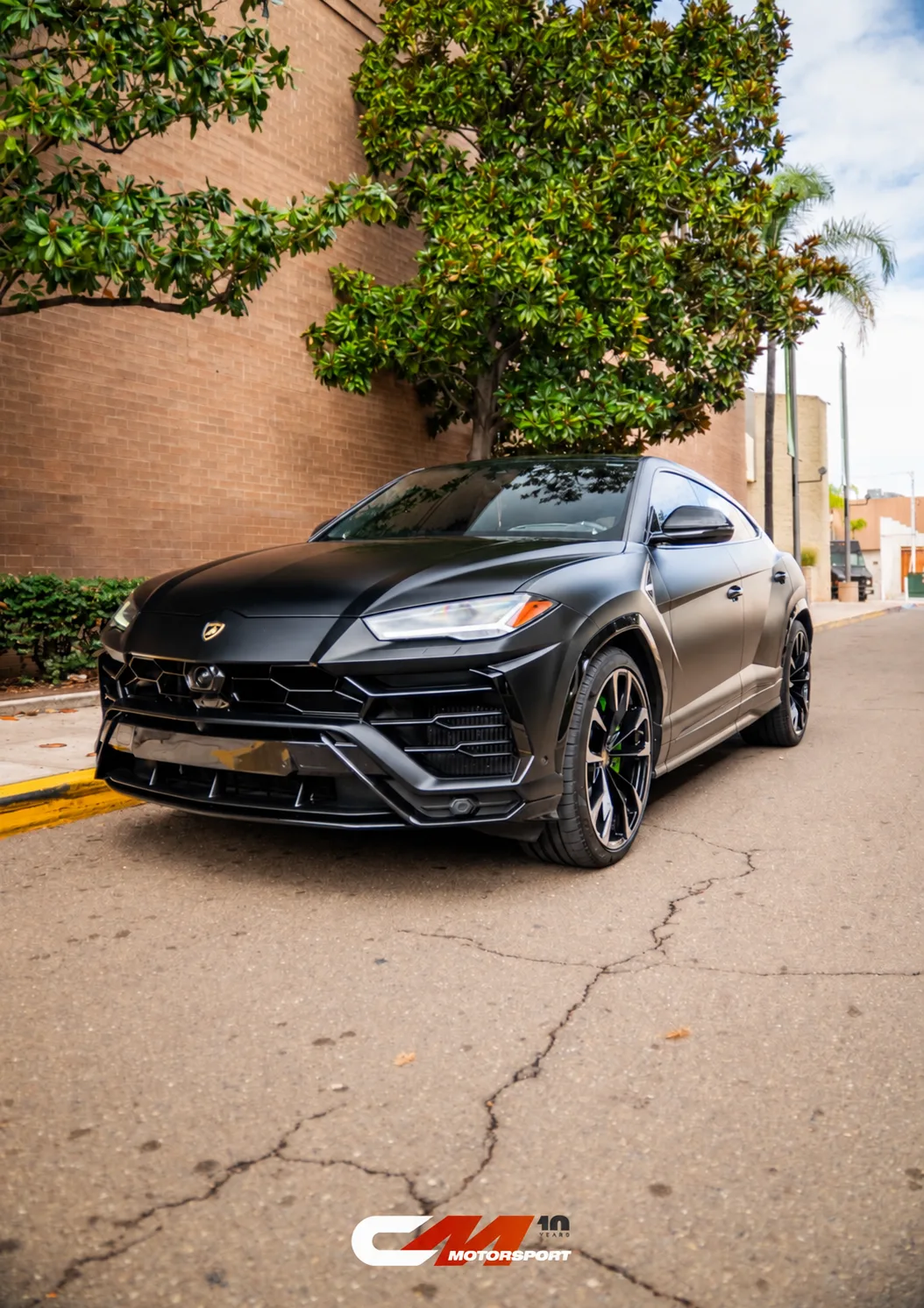
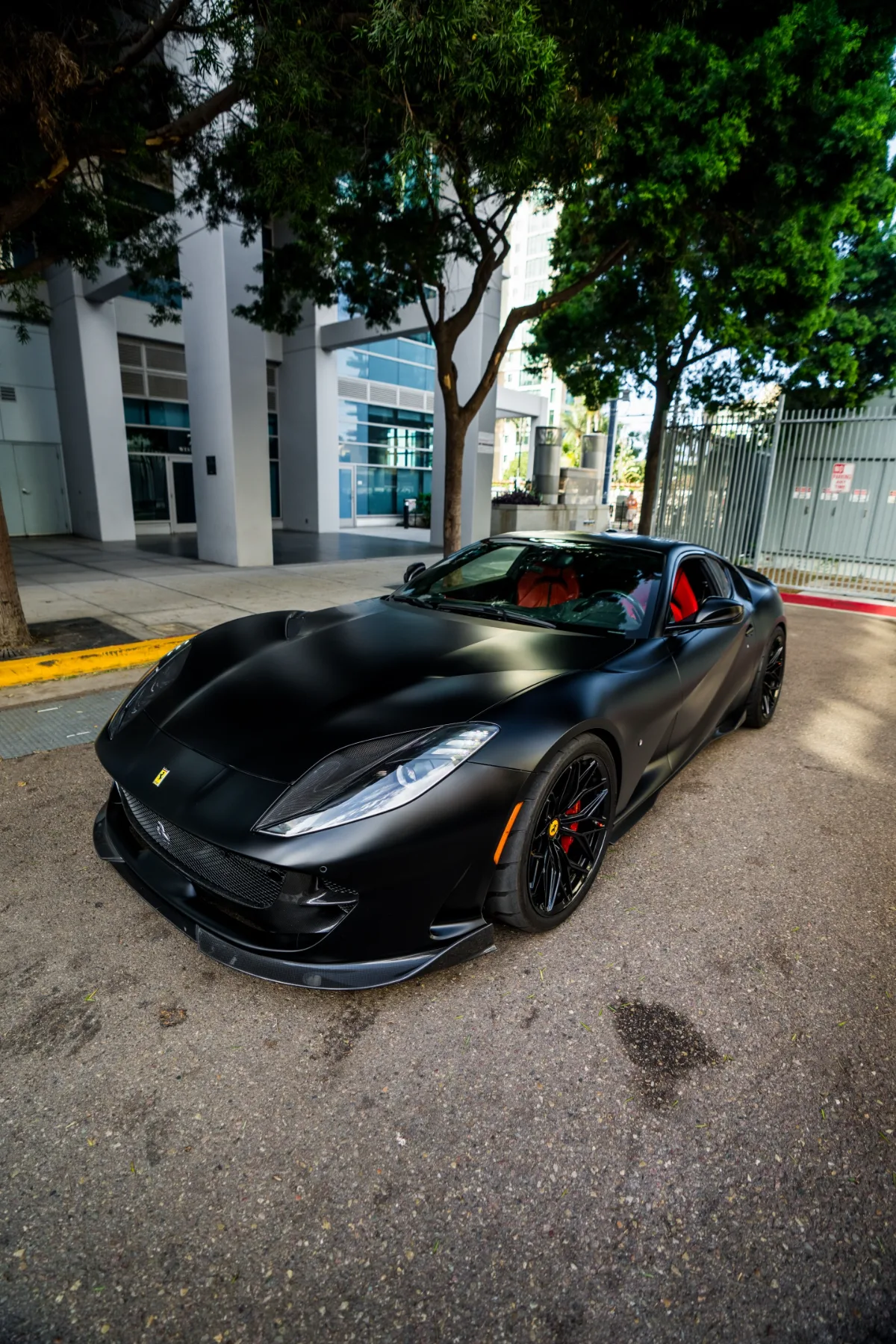
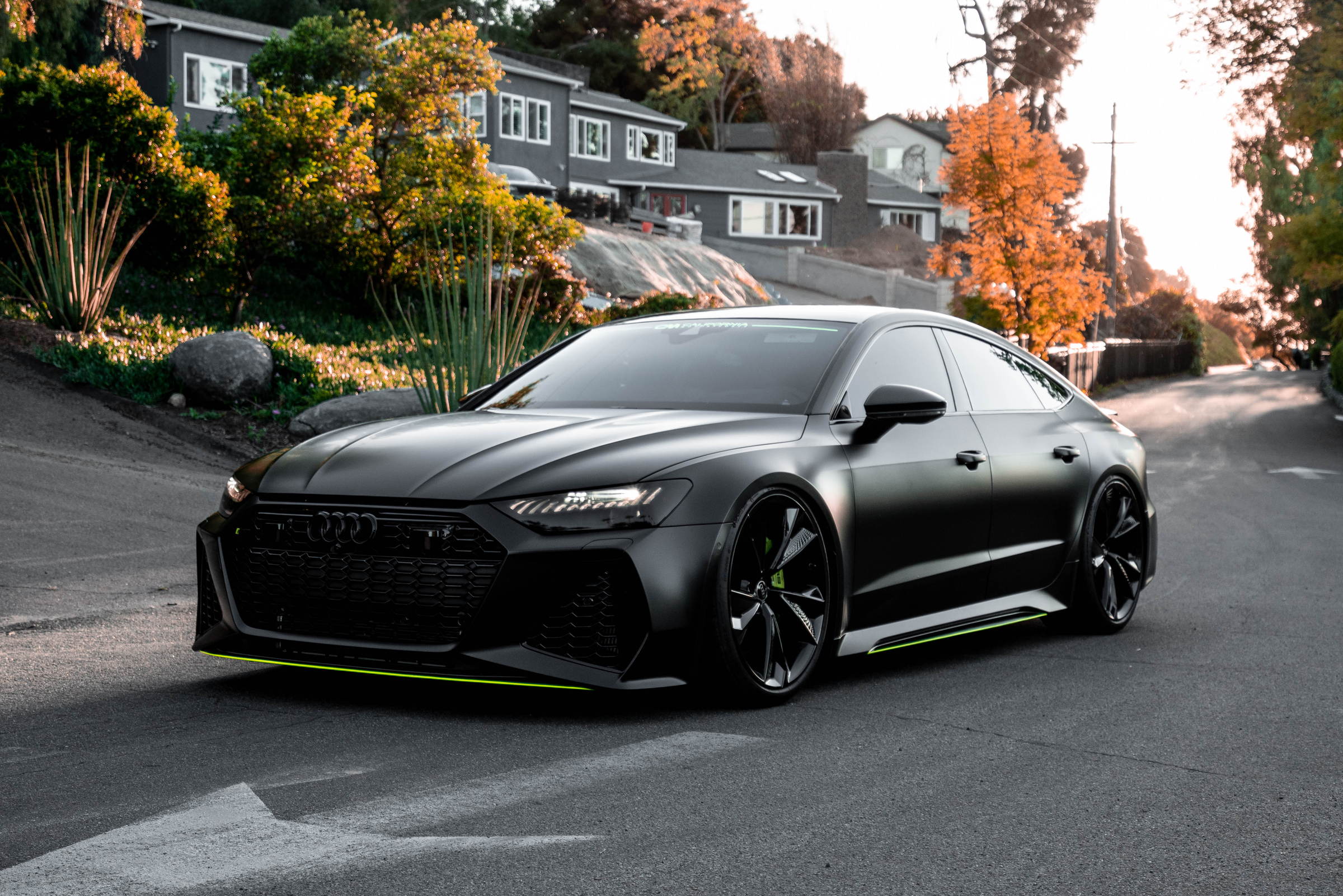
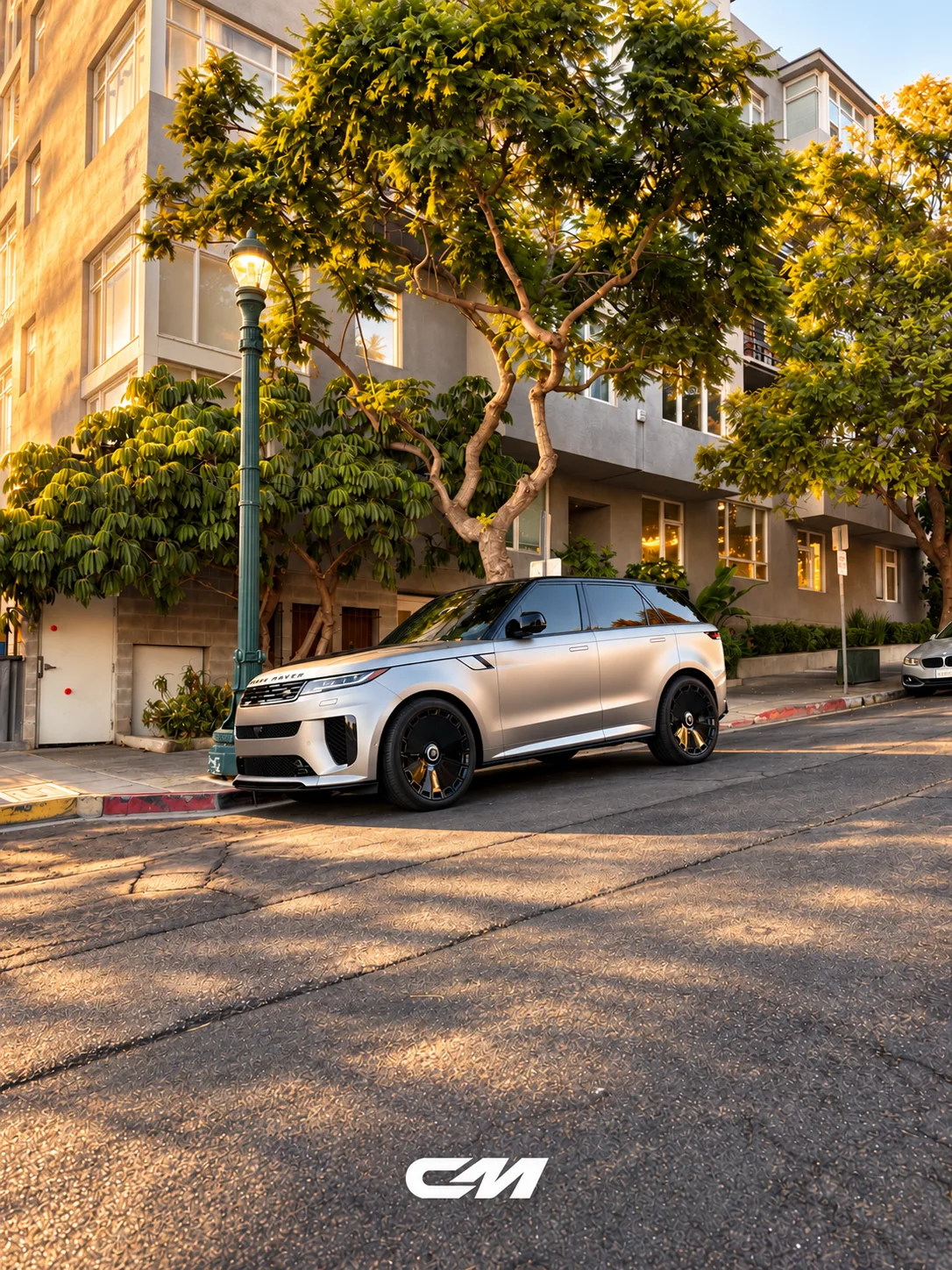
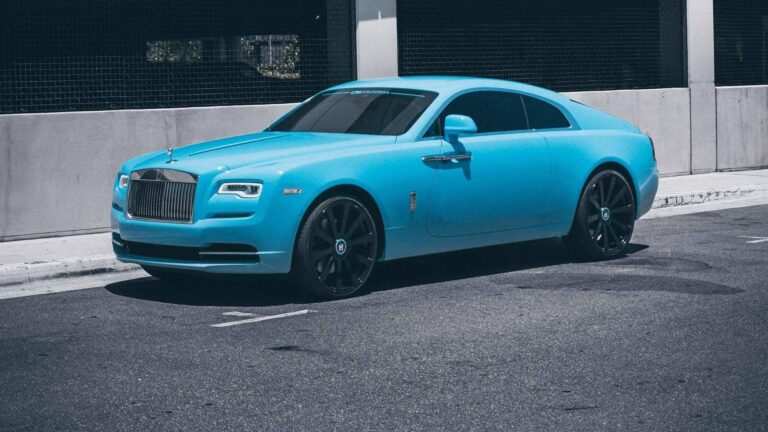
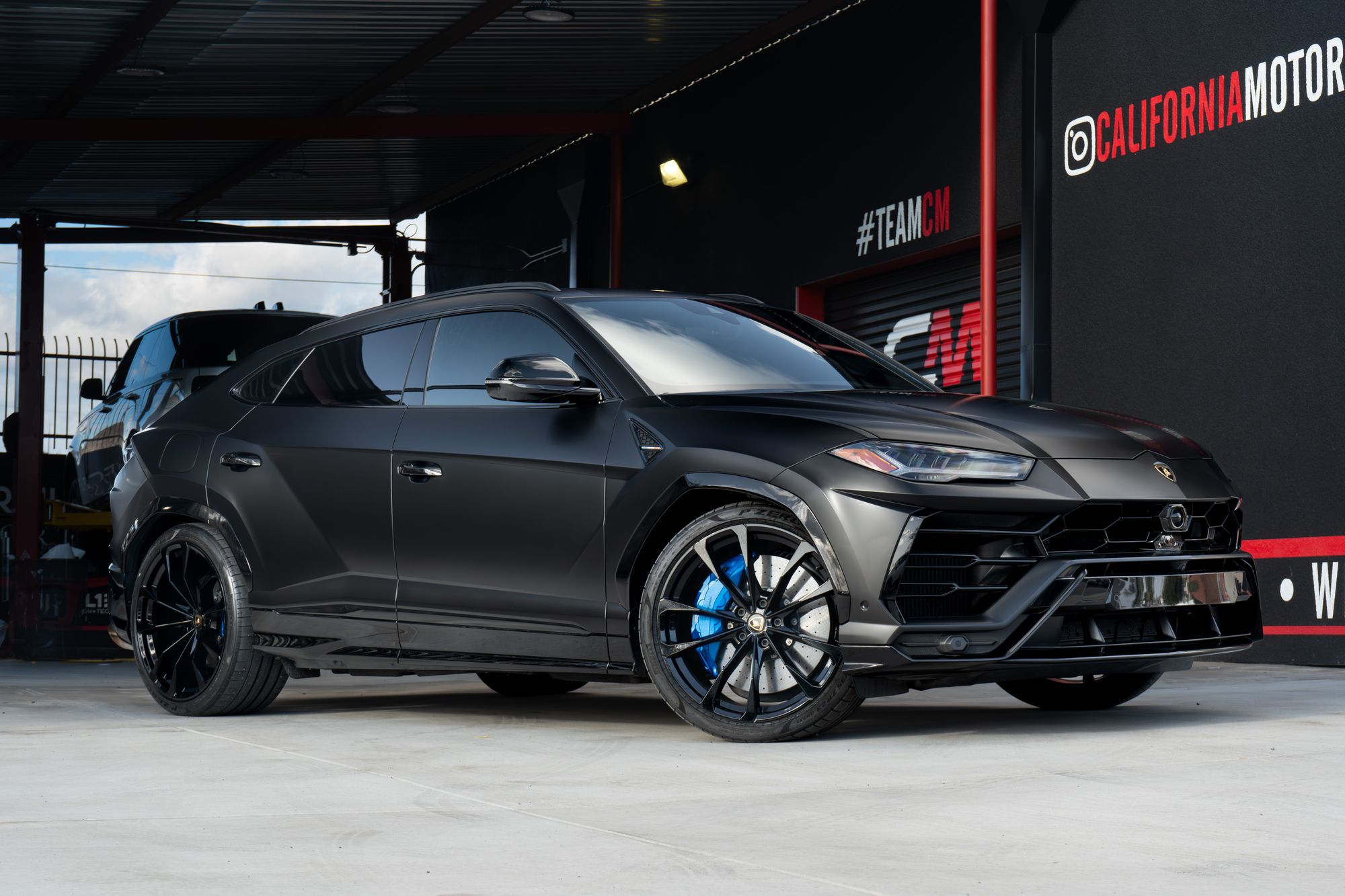
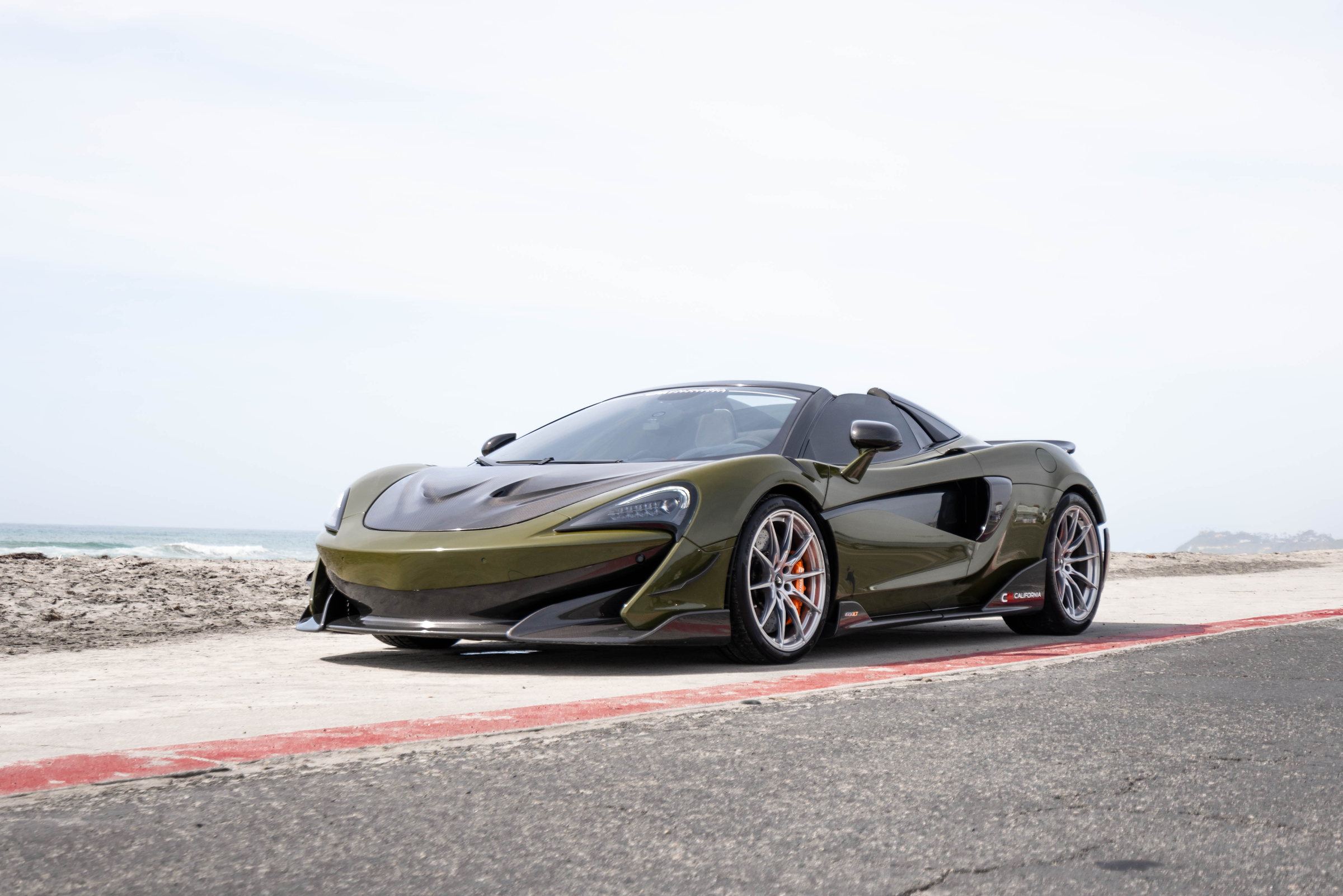
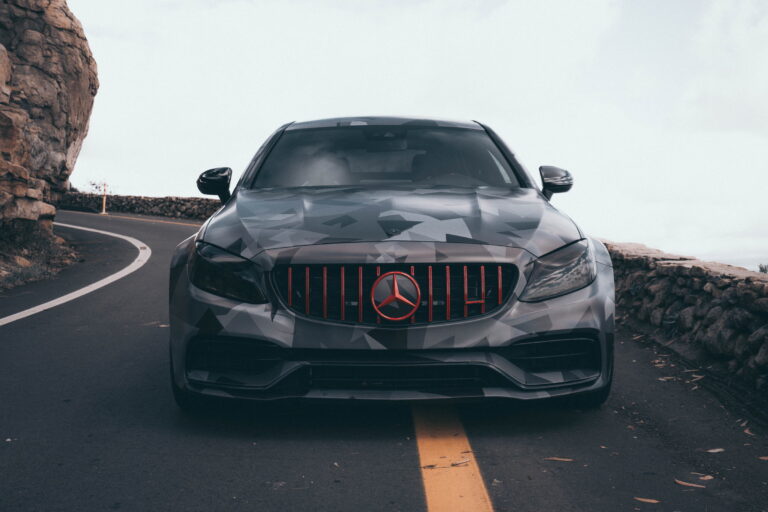
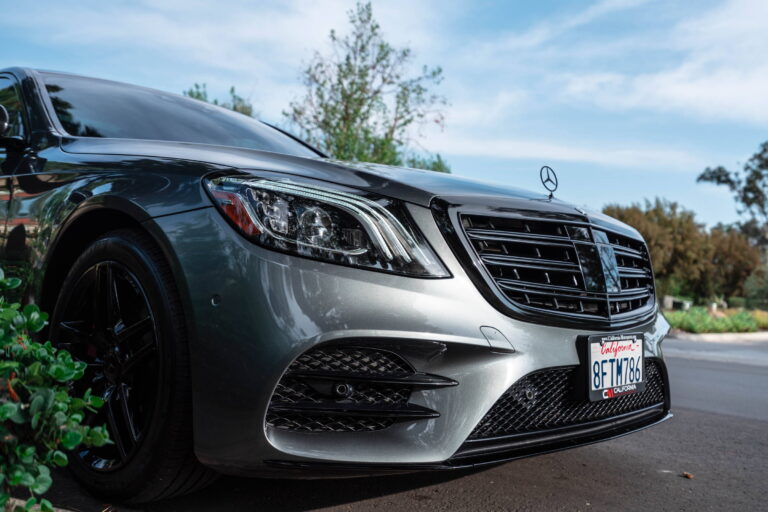
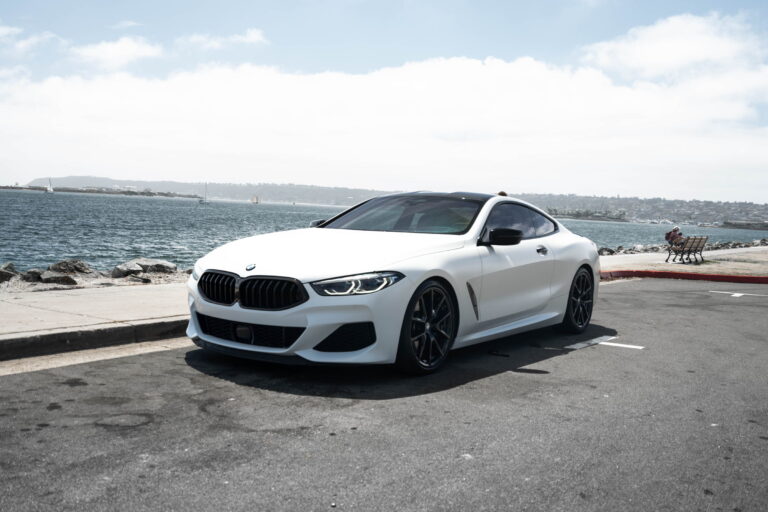
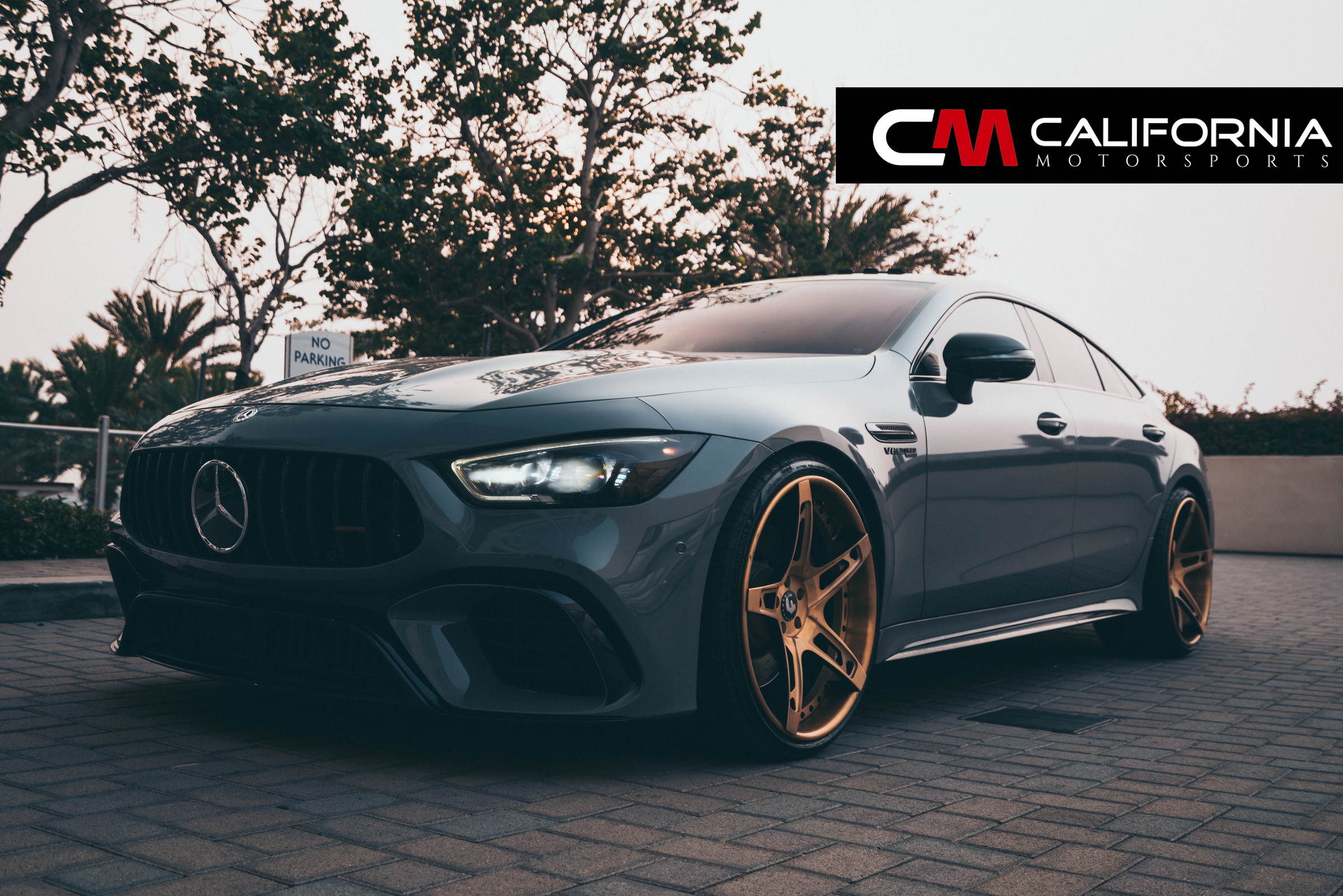
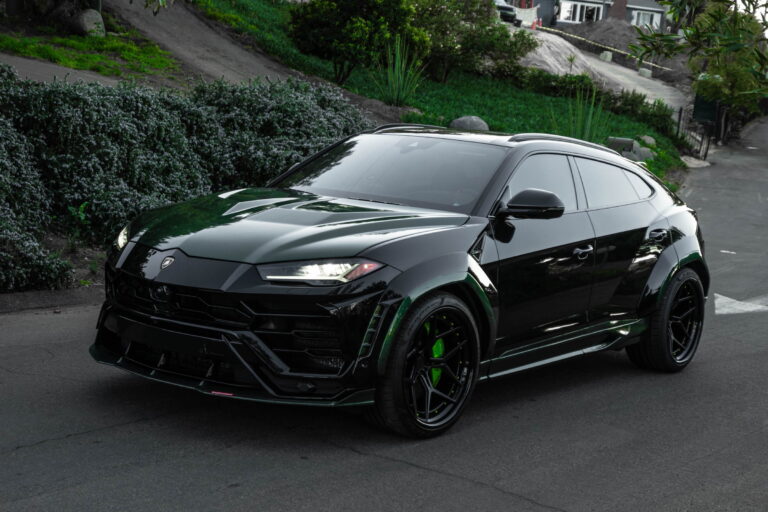
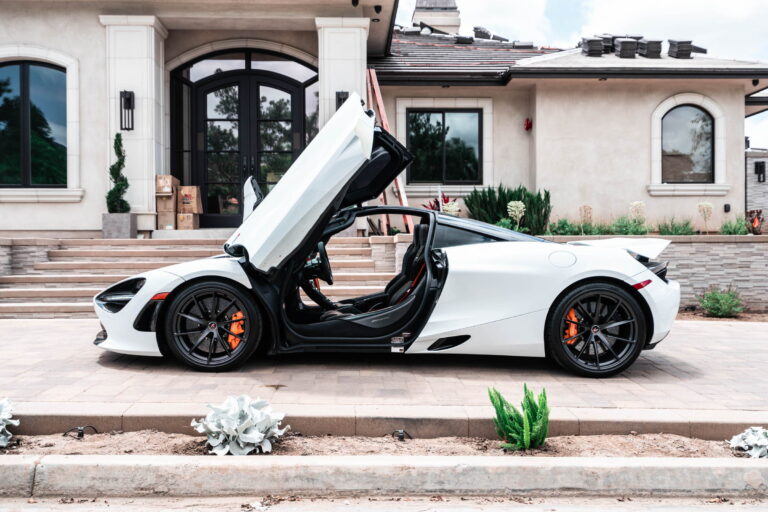
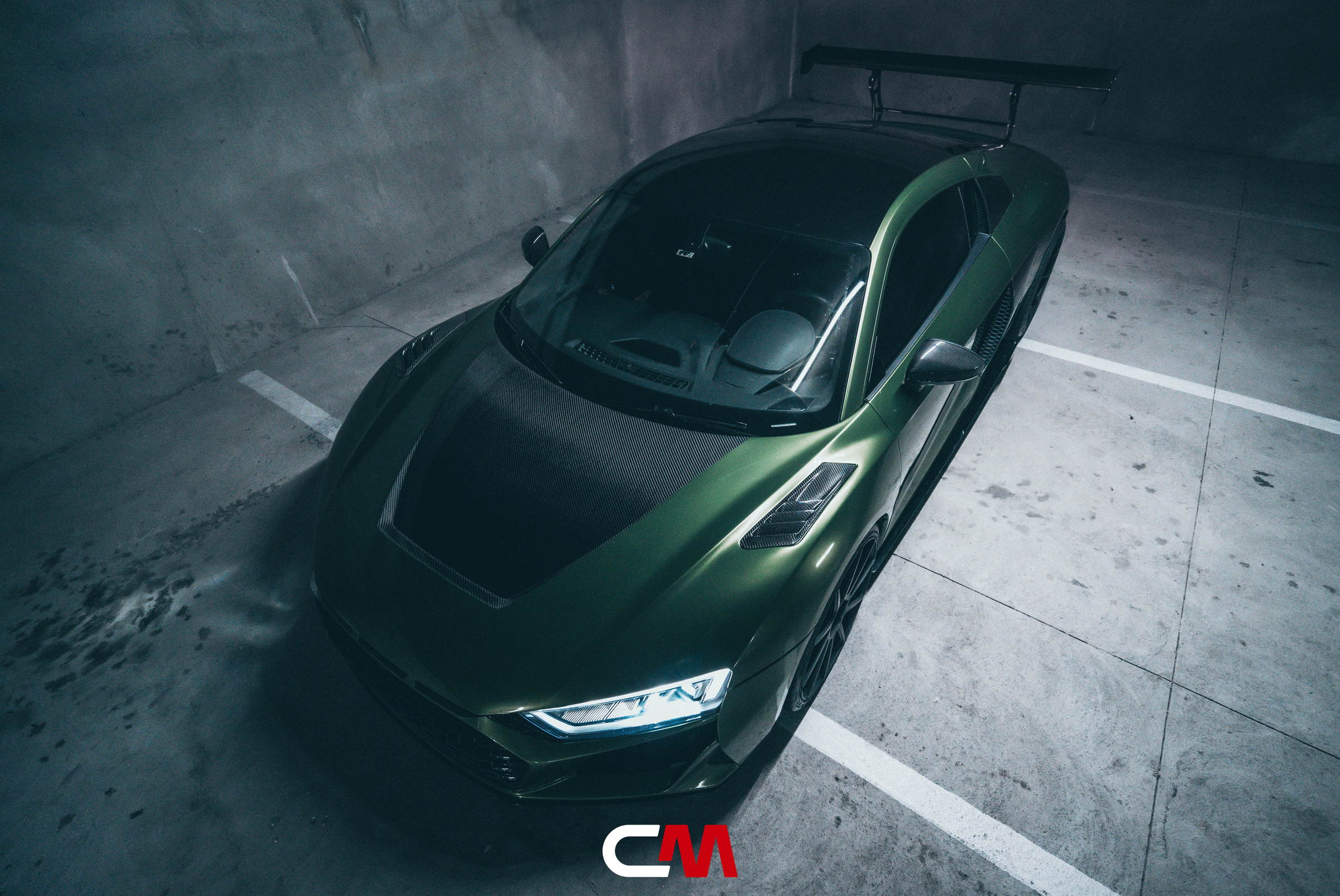
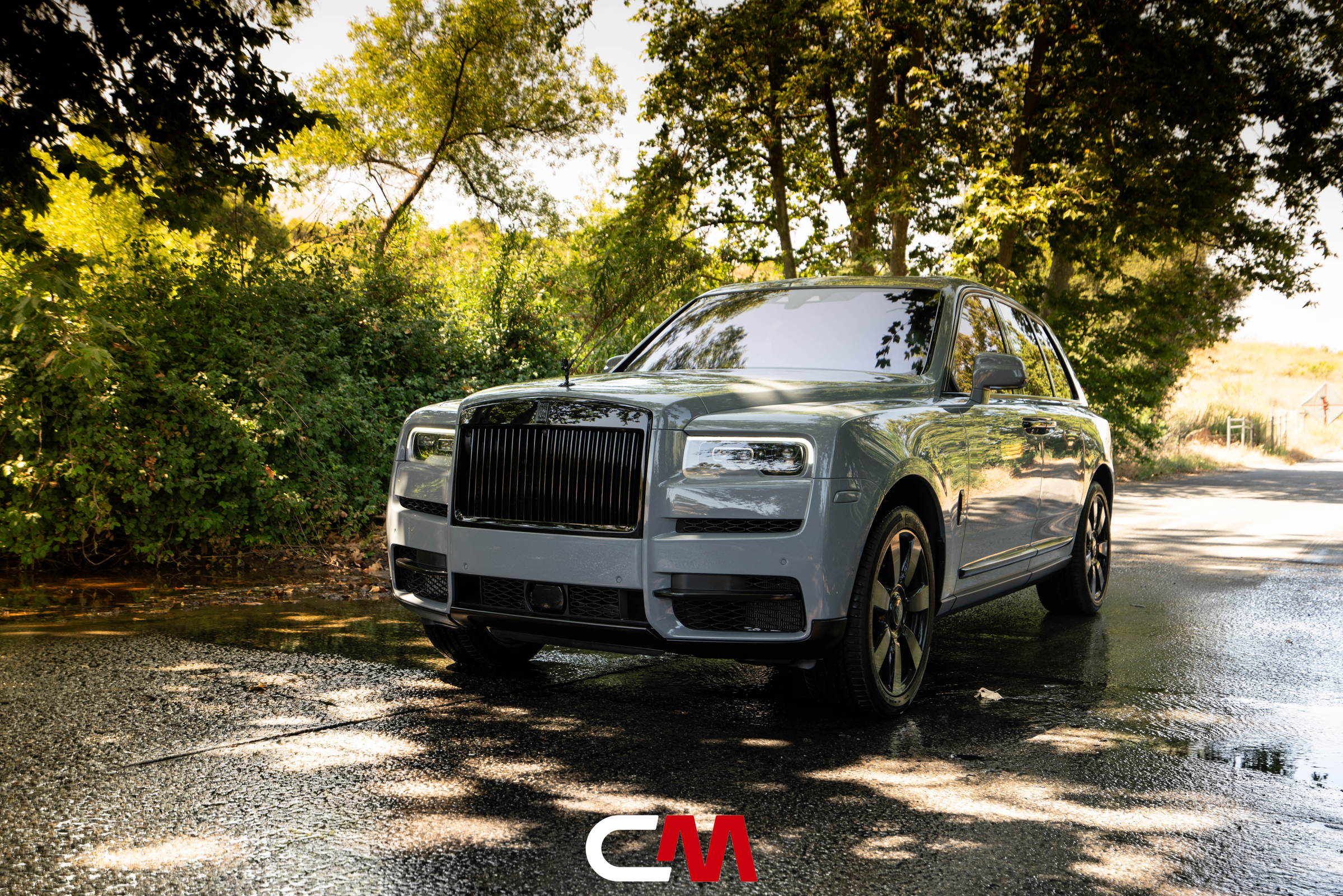
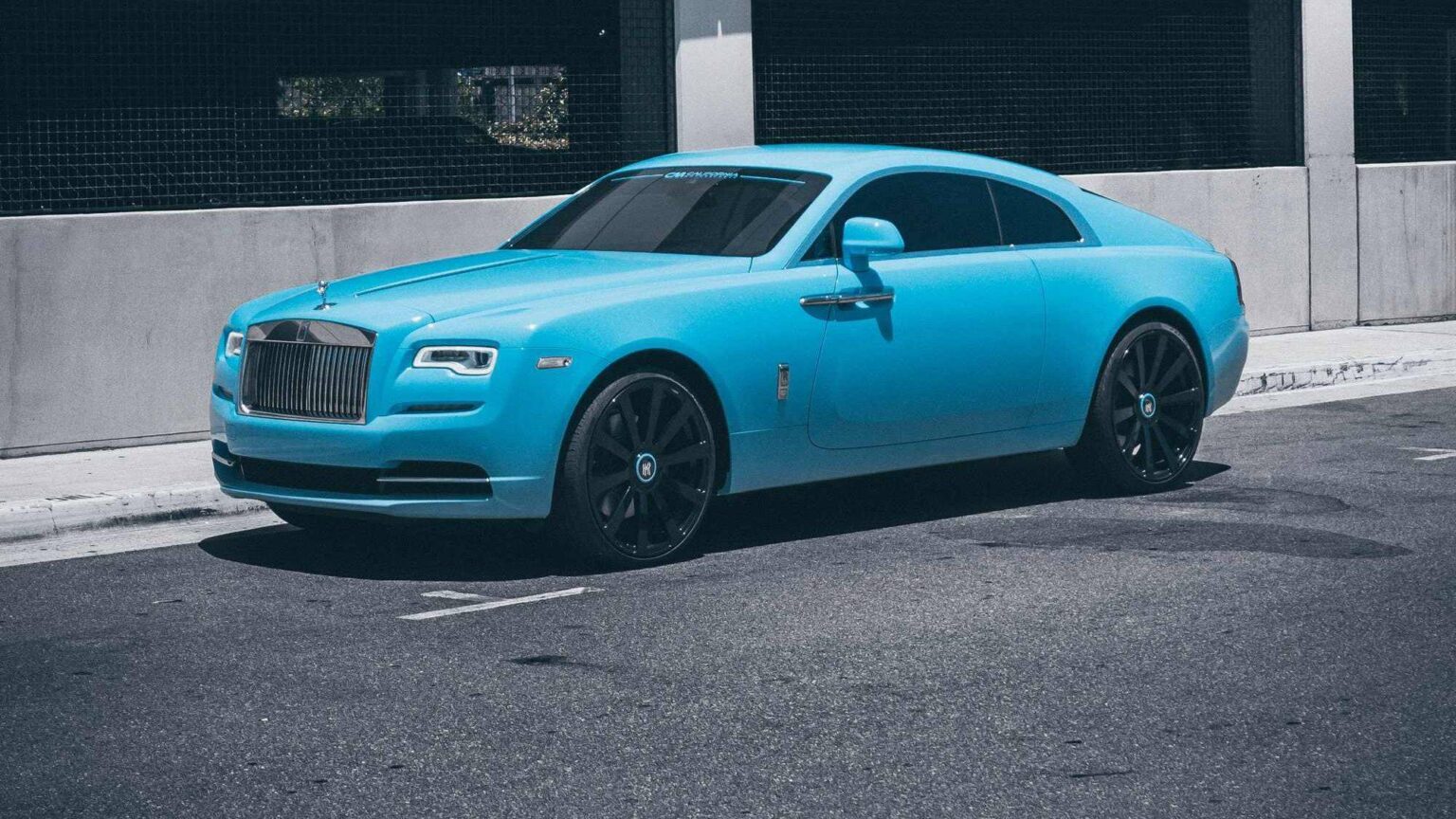
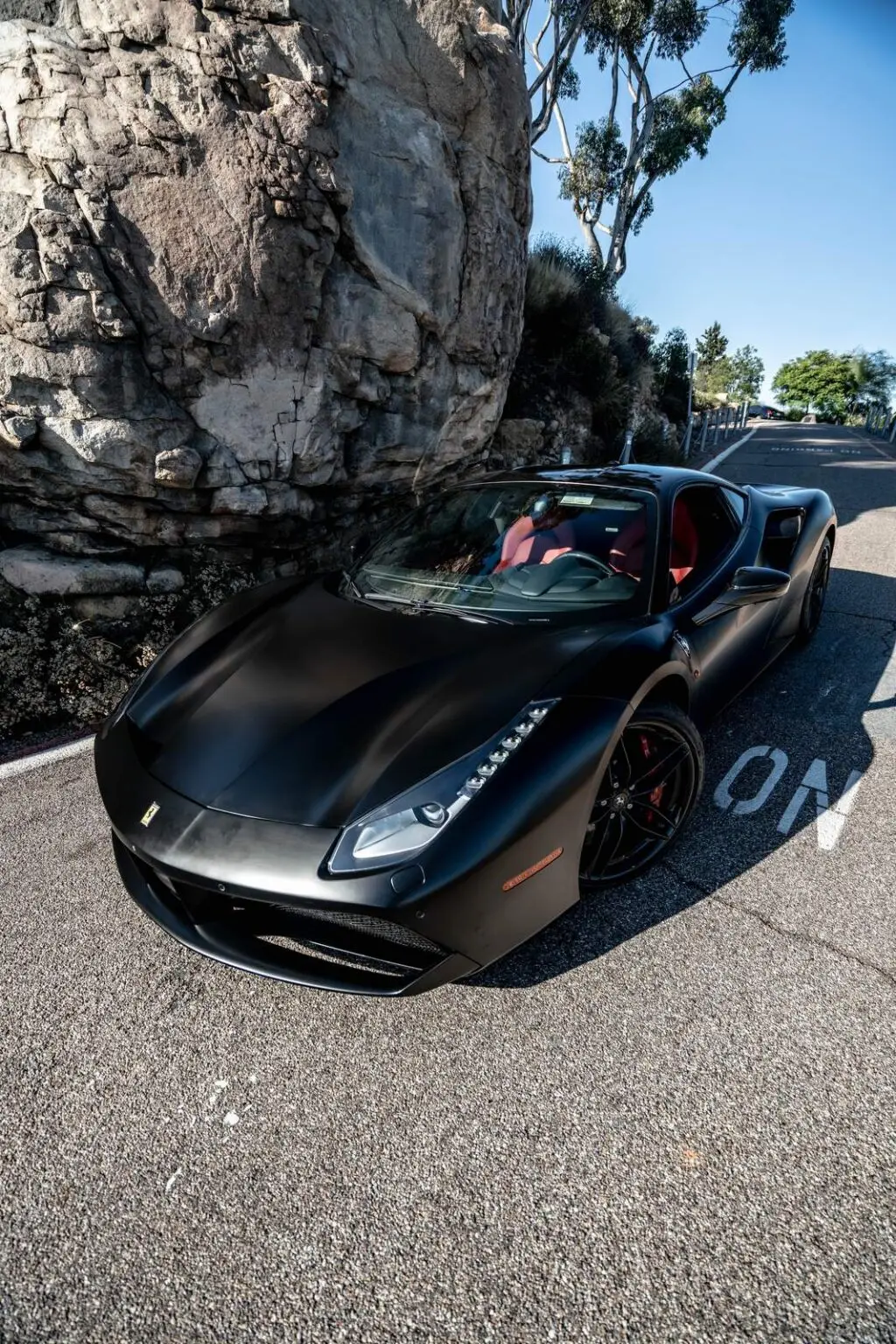
Tint is usually part of a bigger build. These three left with new glass, new color and more.
Every piece of glass.
Start with the sides and rear, then add the glass that lets the most heat in.
Full car
Sides and rear glassFront and rear side windows plus the back glass, matched to one shade or legal front and darker rear.
Front two
Match the rearMany cars come with dark rear glass from the factory. We tint the front doors so the car looks even.
Windshield
Clear infrared filmA clear or very light film on the windshield blocks heat and UV without darkening your view. Ask what is street legal for your car.
Brow strip
Top of the windshieldA strip across the top of the windshield cuts sun glare on morning and evening drives.
Sunroof & panoramic
Overhead heatPanoramic roofs are one of the biggest sources of cabin heat. Film on the roof glass keeps the inside cooler.
Building glass
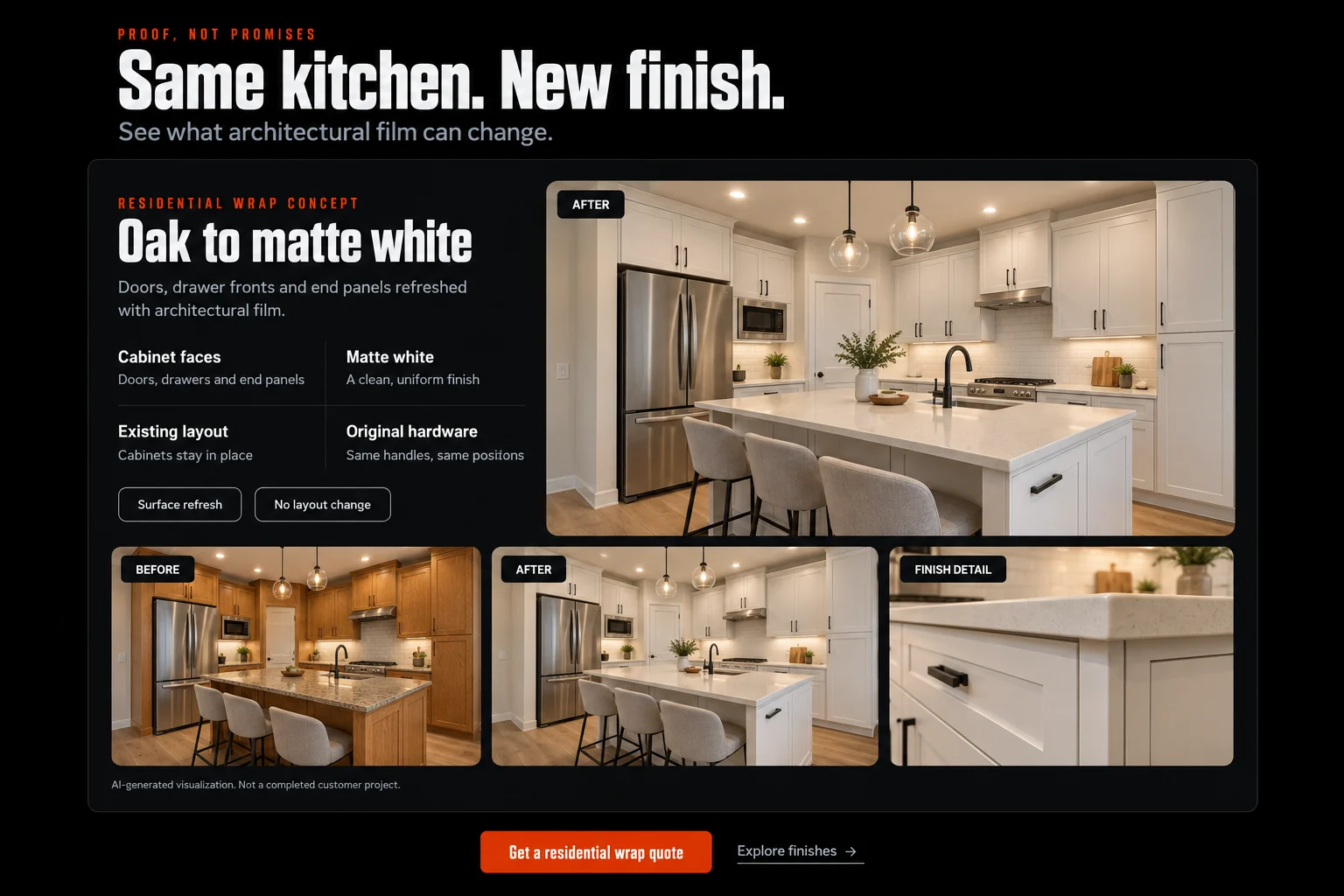
Residential and commercialHeat-rejection and privacy film for homes, offices and storefronts. Ask us for a site visit.
How dark can you go?
Tint is measured in VLT, the percentage of light that gets through. Lower number, darker glass.
| VLT | Look | In California |
|---|---|---|
| 5% | Limo. Very dark from outside and noticeably dark at night. | Rear side and back glass only |
| 15% to 20% | Dark privacy. The most common rear shade. | Rear side and back glass only |
| 35% | Medium. Clearly tinted, easy to see out of at night. | Rear side and back glass only |
| 50% | Light. Mostly about heat and UV, not privacy. | Rear side and back glass only |
| 70% and up | Nearly clear. Heat rejection without the dark look. | Front sides allowed if the glass and film together stay at 70% or higher |
California rules: front side windows must let in at least 70% of light, the windshield can be tinted along the top 4 inches, and the rear side and back glass can be any shade with dual side mirrors. Medical exemptions exist. We will walk you through the options before we start.
Clean glass. Clean edges.
Prep the glass
Glass is cleaned inside and out, and door panels and seals are protected before any film comes out.
Cut to the window
Film is cut to each window so the edge sits tight to the glass line, with no light gaps.
Shape the back glass
Curved rear glass is heat-shrunk to the shape of the window so the film goes on in one piece.
Cure and inspect
Every window is checked before the car goes home. Keep the windows up for a few days while the film cures.
Good questions.
What is legal in California?
Front side windows must let in at least 70% of light, the top 4 inches of the windshield can be tinted, and the rear side and back glass can be any shade if the car has dual side mirrors. Drivers with a qualifying medical condition can apply to the DMV for an exemption.
Why ceramic tint?
Ceramic film blocks more heat and UV than basic dyed film without having to be darker, and it will not fade purple over time.
Will tint mess with my phone or GPS?
Ceramic film has no metal in it, so phone, GPS, radio and keyless entry signals pass through normally.
When can I roll the windows down?
Give the film a few days to cure before rolling the windows down. A little haze or small water pockets in the first days is normal and clears as it dries.
Do you tint homes and offices?
Yes. We install heat-rejection and privacy film on residential and commercial glass. Send us the address and a few photos.
How much does it cost?
It depends on the car, the windows and the film. Send the year, make and model and we will reply with a price and a timeline within one business day.
Ready for tint?
Tell us the car, the windows and the shade you want. We reply with a price and a timeline within one business day.
